

It’s safe to say we all want to live a long life, but more importantly, we want to feel good while we're living it.
We want to stay mentally sharp, keep up with the people we love, and have the energy to keep doing the things we enjoy.
While there's no magic formula for healthy aging, research suggests that some everyday habits can make a difference. One of them might already be part of your morning routine: drinking coffee.
So, is coffee good for healthy aging? Research suggests that moderate coffee consumption may support brain health, metabolic health, cardiovascular health, and longevity. Several large studies have linked regular coffee drinking with healthier aging and a lower risk of certain age-related conditions.
Turns out, there may be more to your morning cup than a little extra energy.
What does research say about coffee and healthy aging?

A 2025 study presented at the American Society for Nutrition's annual meeting followed more than 47,000 women over approximately 30 years. Researchers found that women who drank more caffeinated coffee during midlife were more
likely to experience healthy aging later in life.
But what does healthy aging actually mean? In this study, it meant reaching age 70 or older without major chronic diseases or significant physical, mental, or cognitive limitations.
And the potential benefits may extend to longevity, too.
A major review published in The BMJ found that drinking approximately three to four cups of coffee daily was associated with a 17% lower relative risk of death from any cause compared with drinking no coffee.
While these findings don't prove that coffee helps you live longer or age better, they suggest your daily cup may have benefits that go well beyond a morning energy boost.
What can Blue Zones teach us about coffee and longevity?

And here's something interesting: Coffee is also part of daily life in several of the world's longest-living communities.
Have you heard of Blue Zones? They're regions around the world known for having unusually high concentrations of people who live into their 90s and even past 100.
And coffee happens to be part of everyday life in several of these communities.
-
Ikaria, Greece: Traditional Greek coffee is a familiar part of daily life, often enjoyed slowly and socially.
-
Sardinia, Italy: Espresso is woven into local traditions, alongside walking, family connections, and nourishing meals.
-
Nicoya, Costa Rica: Coffee has long been part of the culture, often brewed using a traditional cloth filter called a chorreador.
Of course, coffee is only one piece of the lifestyle in these communities, and they offer a reminder that healthy aging is about more than any single food or drink. Staying active, eating well, connecting with others, and enjoying simple daily rituals all play a role.
4 ways coffee may support healthy aging
Coffee does more than give you a morning energy boost. It contains hundreds of naturally occurring compounds, including caffeine and antioxidants, that may influence how your body and brain age.
Here's what researchers are discovering about the potential benefits of your daily cup.
1. Coffee may help keep your brain sharp

Ever walk into a room and completely forget why you're there? Most of us have.
While occasional forgetfulness is a normal part of life, maintaining memory and cognitive function becomes increasingly important as we age.
A large 2026 study published in JAMA followed more than 131,000 adults for up to 43 years. Researchers found that people who consumed the most caffeinated coffee had an 18% lower relative risk of developing dementia compared with those who consumed the least.
Coffee drinkers also reported fewer cognitive difficulties, and some performed better on cognitive tests.
While these findings don't prove that coffee prevents dementia, they suggest your daily cup may offer more than a temporary boost in focus and alertness.
2. Coffee may help manage inflammation

Inflammation is a natural part of your body's immune response. It helps fight infections, heal injuries, and keep you healthy.
But when inflammation becomes chronic, it can contribute to age-related conditions, including heart disease, type 2 diabetes, and certain cognitive disorders.
Coffee contains polyphenols, including chlorogenic acids, which have antioxidant properties and may help regulate inflammatory processes in the body. A 2024 review of 11 studies involving more than 66,000 people linked higher coffee consumption with lower levels of C-reactive protein (CRP), a marker of inflammation, when part of an overall balanced lifestyle.
3. Coffee may support metabolic health

Your metabolism does more than burn calories. It helps your body turn food into energy, regulate blood sugar, and maintain important functions. As we age, changes in muscle mass, physical activity, and insulin sensitivity can affect how efficiently our bodies manage energy.
Research has consistently found an association between regular coffee consumption and a lower risk of developing type 2 diabetes.
In fact, a systematic review and dose-response meta-analysis found that each additional daily cup of coffee was associated with approximately a 6% lower relative risk of type 2 diabetes due to the chlorogenic acids and other compounds found in coffee.
While coffee isn't a substitute for healthy eating and regular exercise, it may be one more way to support your long-term metabolic health.
4. Coffee can help you stay active and support heart health

Staying active is one of the best ways to support healthy aging. Regular movement helps maintain muscle strength, mobility, and cardiovascular health, so you can keep doing the things you love.
And your daily coffee may offer a little extra support.
Caffeine has been shown to improve alertness and certain aspects of exercise performance, including endurance and perceived effort. Whether you're heading out for a morning walk or hitting the gym, coffee may help you feel more energized and ready to move.
Beyond that immediate boost, research suggests coffee may also offer long-term cardiovascular benefits. A 2026 American Heart Association scientific statement highlighted by Harvard found that moderate coffee consumption may be associated with a lower risk of heart disease, heart failure, and stroke.
While coffee can't replace regular exercise or other heart-healthy habits, it may be one more way to support an active, healthy lifestyle.
How to choose the best coffee for healthy aging
If coffee is already part of your daily routine, why not make every cup count? Choosing high-quality, thoughtfully sourced coffee with functional ingredients is one way to be more intentional about your wellness.

Here's what to look for:
-
Organic coffee: Certified organic coffee is grown without most synthetic pesticides and fertilizers, helping reduce exposure to certain agricultural chemicals.
-
Lion's Mane: This functional mushroom is being studied for its potential to support memory and cognitive health. In one Japanese clinical study, older adults with mild cognitive impairment showed improvements in cognitive function after taking Lion's Mane for 16 weeks.
-
Cordyceps: Known for its traditional use in supporting vitality, Cordyceps is being researched for potential benefits related to energy, endurance, and physical performance.
-
Turkey Tail: Rich in bioactive compounds, Turkey Tail is being studied for its potential effects on immune function and gut health.
While research on functional mushrooms is still developing, these ingredients offer an interesting way to complement the natural benefits of coffee.
Good Coffee, Good Habits, Better Aging
Healthy aging isn't about one magic ingredient or habit. It's about the small choices you make every day to support your health, stay active, and keep doing the things you love.
And with growing research connecting coffee to brain health, metabolic wellness, and longevity, there's even more reason to feel good about your morning cup.

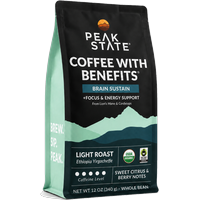
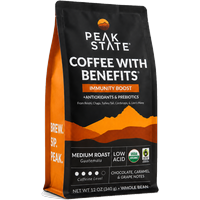
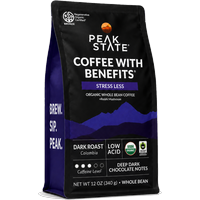
Looking to get more from your daily cup? Explore Peak State's Coffee with Benefits, made with organic, whole-bean coffee infused with functional mushrooms to complement your wellness routine. Because feeling your best should taste pretty great, too.
FAQs about coffee and healthy aging
Does drinking coffee affect how you age?
Research suggests that moderate coffee consumption may support healthy aging by lowering the risk of certain age-related conditions, including type 2 diabetes and cognitive decline.
How does coffee affect memory?
Caffeine can temporarily improve focus and alertness, while long-term coffee consumption has been linked to a lower risk of cognitive decline and dementia.
Is coffee good for you after 50?
For many adults over 50, moderate coffee consumption can be part of a healthy lifestyle. Research has linked coffee drinking with benefits related to brain health, metabolism, and longevity. However, caffeine sensitivity, medications, and certain health conditions can affect how much coffee is right for you.
How much coffee should you drink for healthy aging?
Many studies have found favorable health associations with approximately two to four cups of coffee per day, but that doesn't mean more is always better. The FDA cites 400 mg of caffeine daily as an amount not generally associated with negative effects for most healthy adults. Your ideal amount may be lower depending on your caffeine tolerance and overall health.
Does decaf coffee offer the same healthy aging benefits?
Decaf coffee still contains antioxidants and polyphenols that may support long-term health. Some studies have linked both regular and decaf coffee with metabolic benefits, although certain cognitive health findings appear more strongly associated with caffeinated coffee.
Does the way you prepare your coffee affect its health benefits?
It can. Brewing methods influence which compounds end up in your cup. For example, paper filters remove much of the cafestol and kahweol, natural coffee oils that can raise LDL cholesterol. Choosing filtered coffee and being mindful of added sugar can help make your daily cup a more heart-conscious choice.
Does mushroom coffee offer additional health benefits?
Functional mushrooms such as Lion's Mane and Cordyceps contain compounds being studied for their potential effects on cognitive health, energy, and physical performance. While early findings are promising in some areas, more human research is needed to determine whether mushroom-infused coffee provides additional healthy aging benefits beyond regular coffee.
