

But many who love their morning coffee just can’t stomach it.
If coffee tends to upset your stomach, you’re not imagining it. Acidity, brewing methods, and even the type of beans you’re drinking can all play a role in how your body reacts. The good news is that small changes—often simpler than you’d expect—can make coffee much easier on your system. How? Let's dive in.
Is Coffee Acidic?
Using the pH scale (which ranges 0-14, with 7 being neutral and the lower the number, the more acidic the food or drink), conventional sun grown coffee averages about 4.8–5.1.
This actually makes coffee more neutral than both fruit juices at 3-4, and lemon juice at 2. But undeniably, coffee tests on the acidic side.
Despite this, there are many ways to achieve less acidic coffee ranging from where it's from to how it's grown to how you prepare your beloved brew (we'll get to all that below).
So if your gut has you groaning, keep reading to learn how to find and brew with less of the tummy tradeoff, and so you can feel as good as possible when you enjoy your morning cup.
Is The Acidity In Coffee Bad For You?
Acidity is not inherently bad. Most people can drink coffee just fine, without ever having any issues. The acidity allows for complex flavors many seek in their morning brew.
But if you have a sensitive stomach, IBS, acid reflux or gastric ulcers, for example, high acidity drinks may be ill-advised for how they might worsen your symptoms. Some believe that too much acidity can even make your teeth more prone to discoloration.

The good news is, there’s no need to fully sacrifice your morning brew - you can try less acidic coffee.
There are important benefits of acidity in your morning cup also. Many spectacular flavors you enjoy - bright, fruity, tangy, sharp, rich… and many more - all those delicious aromas and notes we enjoy in our morning mug actually come from acids.
In other words – coffee without any acidity at all? Bodiless and flavorless. Like most things in life, it's about balance.
So, tell us already, if you're seeking less acidic coffee, where do you start?
How Do You Make Low Acid Coffee?
We’ve rounded up all the main things that affect the acidity of your coffee – so you'll know what to look for when finding the best low-acid coffee.
Let’s start from the roots, shall we?
1. Origin Makes a Difference
Do you know where your coffee is grown?
If not, it’s worth finding out.
See, the region your coffee beans are grown in has everything to do with both flavor and acidity. Acidity is related to how the coffee tree adapts to its environment, and because of this, the coffee plants are incredibly sensitive to both soil and climate.
In other words, some origins will naturally yield low acid coffee beans relative to others. How do we know this? We pH tested a bunch of coffee from different places.
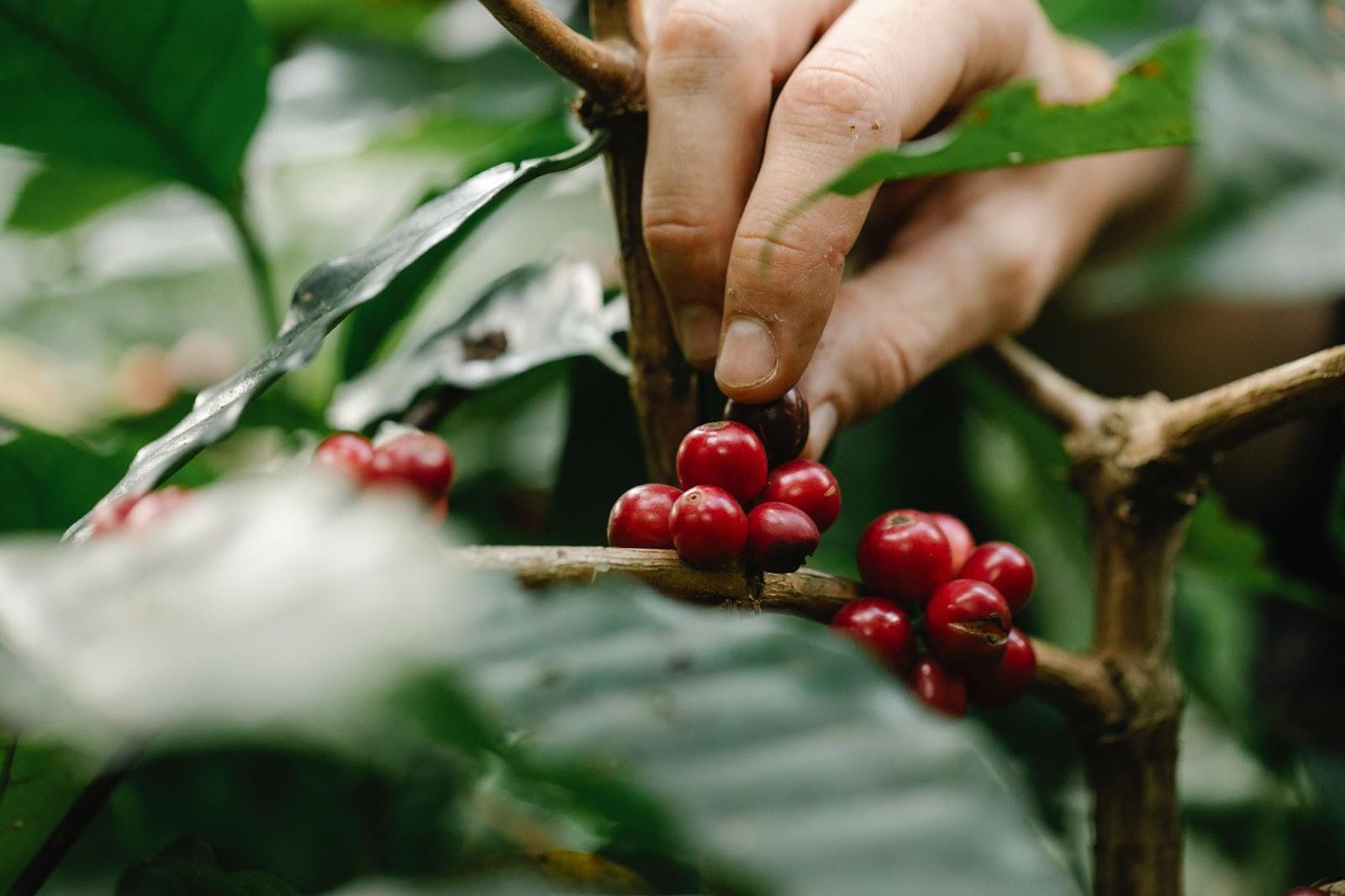
But coffee also grows at varying altitudes. And interestingly, the elevation at which the beans are grown affects acidity levels, as well. As a general rule, coffee grown at low altitudes are also lower in acid, and thus, better for sensitive stomachs.
Some lower acid regions to look for are:
- Sumatra
- Brazil
- Guatemala
- Peru
- Nicaragua
- Mexico
… as these coffee origins are generally less acidic!
2. Look for Shade-Grown Coffee
Way back in the day, before coffee was the global industry it is today, coffee grew naturally in shady rainforests under the canopy. But when the demand spiked, farmers sought unsustainable methods to produce more beans, fast.
So coffee farmers moved plantations into the sunlight, where the trees grow at a much faster rate. But when coffee grows faster, the acidity levels in the bean also rise, often also creating a bitter aftertaste in conventional sun grown coffee.
That's what makes shade-grown coffee less acidic – coffee has been grown the way nature intended. Without constant sunlight, it grows much slower, but as a result has a richer flavor and smaller concentrations of acidity.
And that isn’t the only benefit of shade-grown beans – for starters, they shade grown coffee is the most sustainable method to grow coffee, and can grow easily without pesticides. And as we covered in our recent blog post all about shade-grown coffee, since the plants pick up nutrients from surrounding fruit trees, they also produce higher quality beans with a smoother flavor.
Today, only 2% of coffee produced in the world is organic and shade-grown, and only 1% of all coffee consumed in the US. But if you have a sensitive stomach, or are sensitive to the environmental crisis, shade-grown coffee can be your friend for both.
3. Opt for Darker Roasts
Besides origin and roast, perhaps the most major factors affecting acidity is roast level, since roasting is the science of working with coffee’s natural acidity to bring out the desired flavors.
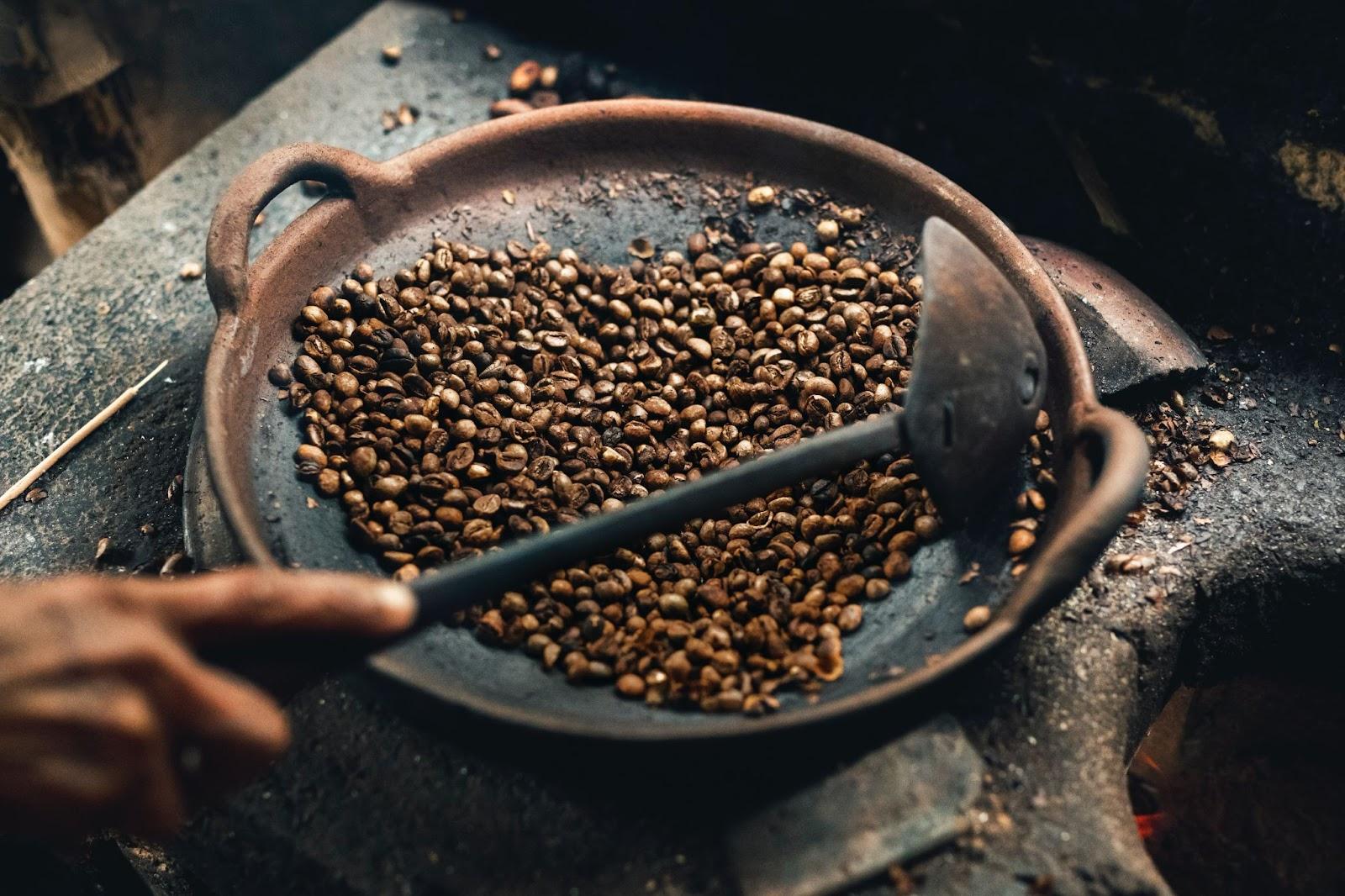
It’s well known that darker roasts are less acidic. This is because generally, the longer you roast, the more you cook off the beans’ acidity. Of course, it’s a trade-off – bright and fruity notes can easily disappear that are better suited for light roasts. But chocolate-y and earthy notes come through even if roasted for longer, and those are the best ones for darker roasts.
If you’re looking for low-acid coffee, aim for darker roasts as a general rule of thumb. Some medium blends can work as well, depending on how sensitive you are – everyone’s taste and sensitivity is different, so try different roasts until you find the perfect brew for you.
4. Brew to Reduce Acidity
Next up is how you brew your coffee. Different techniques will extract more or less acidity out of the coffee beans, and the good news? You can easily make these switches at home.
Firstly, brewing methods that require coarser grinds will often lead to less acidity in your cup, because less of the bean’s surface area is exposed (there is less "contact"). In other words, if you opt for a french press or percolator, as these generally make less acidic coffee. Or, for the least acidic cup of coffee possible – try cold brewing.
See, temperature is another big factor, but also a trade-off – the hotter your brew temp, the more acidity and flavor flows into your cup. So, for a sensitive stomach, cold brew is your best option - you get all the caffeine with less of the acidity. They’ve proven to be up to 70% less acidic than hot brewed coffee made from the same beans… yes please!
During the winter months, a cold brew may not be quite as tempting. But don’t worry – fine filters also help. An AeroPress, for example, boasts that it brews a cup of coffee with one fifth the acidity.
5. Add Milk or Creamer (If You Must)
This option hardly needs an introduction, but many don’t actually know the science behind why they put stuff in their coffee other than "cuz I always do that"..
While we at Peak State enjoy our coffee unadulterated, milk and cream do contain calcium, which is makes them great at neutralizing acidity. So if your stomach is struggling, taking the edge off this way may be worth a go. The popularity of more acidic sun grown coffee is perhaps the main reason that this practice has emerged, where as many who switch to shade grown coffee can suddenly drink coffee black.
Some non-dairy creamers can help reduce acidity, too. Most contain tricalcium phosphate – this is a form of calcium, but generally are less effective than dairy at neutralizing acidity. Barista blend plant-based milks often have calcium and fats that will help neutralize acidity...
And if none of these have fully done it for you, there is one more option
6. Try Decaf Coffee
If you’ve followed the tips above but are still feeling the effects of acidity too much, caffeine is you last lever to pull.
While not the first choice for most of us, switching to decaf can be very effective if you’re at the end of your rope and looking for a low-acid coffee option. There are many low acid decaf coffee brands. Why?
Studies have shown that extracting caffeine reduces phenolic acids, making your cup of joe kinder on your stomach. Caffeine itself also makes your own body produce more acids, so cutting it out can really help lower acid production.
Caffeine is often discouraged for those with symptoms of GERD. If you do have serious or long-term symptoms, it’s always worth consulting a health professional.

What is the best coffee for a sensitive stomach?
If you have a sensitive stomach, the best coffee is usually one that’s lower in acidity and easier to digest. That often means looking for beans that are carefully sourced, roasted in a way that reduces harsh compounds, and brewed with methods that don’t over-extract bitterness.
In my experience, the biggest difference comes from choosing coffee that’s been designed with digestion in mind. Some coffees naturally feel smoother and less irritating, especially when they avoid unnecessary additives and focus on clean, simple ingredients.
While everyone’s tolerance is a little different, many people find that switching to a lower-acid coffee or one that includes functional ingredients can make their daily routine much more comfortable.
In Conclusion: How to Find Low Acid Coffee
If you're looking for low acid coffee, you can reduce acidity by buying shade grown coffee and coffee grown in origins known for less acidity (and at lower elevations). Darker roasts will be less acidic than lighter roasts and brewing methods that require coarser grinds, very fine filters, or low water temperatures will extract less acidity (but also less flavor). And if you must, adding creamer or even switching to decaf can help reduce acidity further. Many low acid organic coffee brands and low acid decaf coffees are out there to help.
And if you're looking for a place to start, make sure you know your roasts!
So What Next?
Before wrapping up, it’s worth remembering that not all coffee affects your stomach the same way. Acidity levels, processing methods, and even what’s added to the coffee can all make a difference. This table will give you a good reference for what to look for.
| Coffee Type | Acidity Level | Stomach Impact |
|---|---|---|
| Light roast | High | More likely to irritate |
| Medium roast | Medium | Moderate |
| Dark roast | Lower | Easier for some people |
| Cold brew | Low | Often gentler |
| Low-acid coffee blends | Very low | Best option |
When I’m choosing coffee with digestion in mind, I try to keep things simple—lower acidity, minimal additives, and a smoother overall profile. Some brands are built around that idea, focusing on coffee that’s easier on the stomach while still tasting good. Peak State Coffee is one example of a low acid coffee brand, with blends designed to be both clean and balanced so you’re not dealing with unnecessary irritation.
If you’re already concerned how coffee affects your body—whether it’s digestion, energy, or sleep—it’s worth looking at the bigger picture of what’s in your cup
Frequently asked questions about coffee and sensitive stomachs:
What coffee is best for acid reflux?
Low-acid coffee, dark roasts, and cold brew are often easier on the stomach and less likely to trigger reflux symptoms.
Why does coffee upset my stomach?
Coffee can stimulate acid production and irritate the digestive system, especially if it’s highly acidic or consumed on an empty stomach.
Is dark roast coffee less acidic?
Yes, dark roast coffee is generally lower in acidity than light roast, which can make it easier to tolerate for some people.